Material and Thermal Resistance
We distinguish between standard glass and borosilicate glass, which is designed to handle temperature shifts from the freezer to the oven.
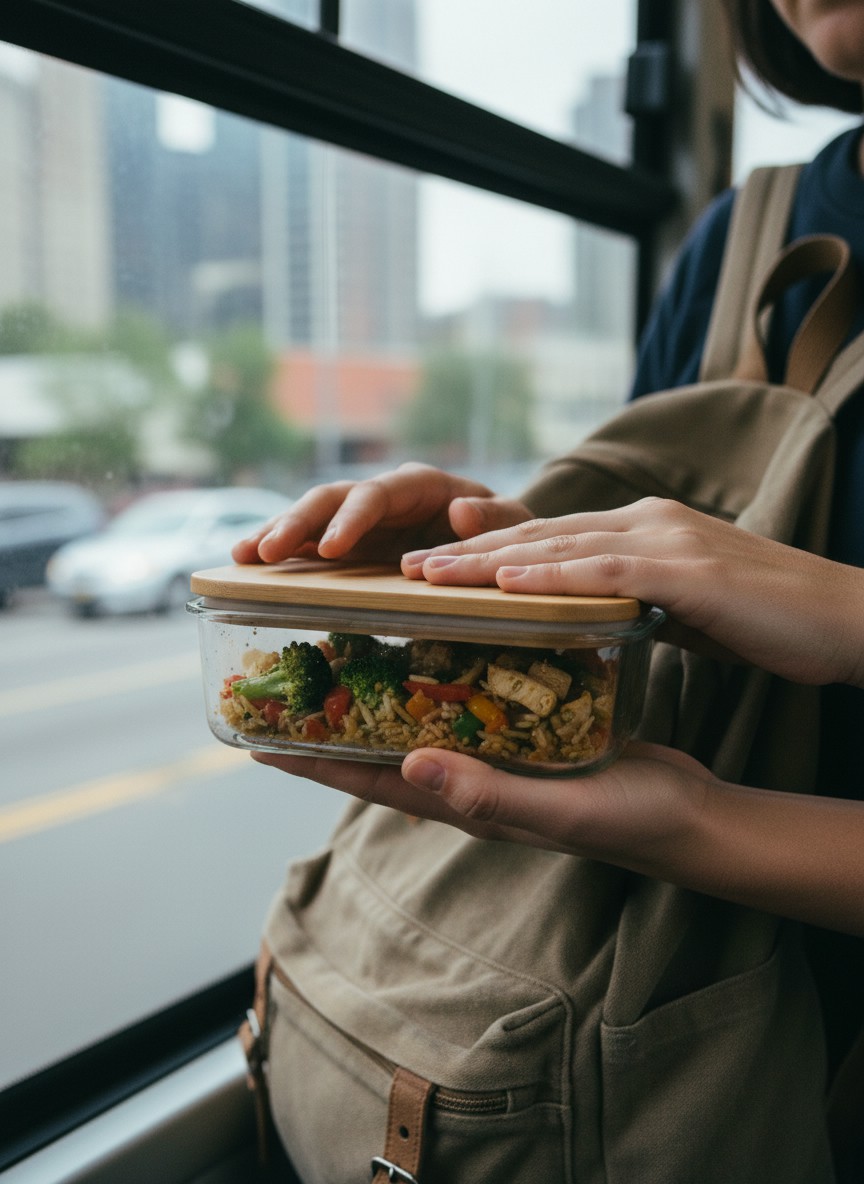
Moving from plastic to glass involves choosing the right seals and glass types for your specific cooking habits.
We track glass storage options across the market to group them by material, lid type, and capacity.
We distinguish between standard glass and borosilicate glass, which is designed to handle temperature shifts from the freezer to the oven.
Our listings identify which containers use airtight silicone gaskets, locking plastic tabs, or simple glass-on-glass lids.
We categorize items by their fluid ounce capacity and whether they are sold as single pieces or bulk sets for full kitchen organization.
Most containers in this catalog are made from tempered or borosilicate glass. Borosilicate is particularly useful for meal preppers who want to reheat food directly from the refrigerator without the glass cracking.
Airtight performance depends on the lid. Locking tabs provide the most secure seal for transport, while bamboo lids offer a natural look for dry goods stored on the countertop.
Medium containers between 22 oz and 36 oz are the standard for individual lunches. For bulk pantry storage or large family dinners, look for containers over 40 oz.
Open a set, then two brand pages, and compare the listings
Containers with hermetic seals to keep food fresh for longer
Portion-controlled containers designed for preparing and storing weekly meals
Essential starter sets with a few versatile glass containers
Standard sized containers ideal for individual lunches and meal prep
High-quality thermal-shock resistant glass safe for oven and freezer use
Securely sealed glass storage that prevents spills during transport
Upright glass vessels perfect for countertop display or pantry organization
Versatile glass storage for keeping dinner remains fresh in the fridge
Compact glass jars and containers for snacks, sauces, and condiments
Portable glass containers designed for taking meals to work or school
High-capacity glass storage for family-sized leftovers and bulk pantry items
Secure snap-locking plastic lids with silicone seals for leak-proof performance